Read eight dated stories about academic practice and campus services.
Find a useful starting point.
Follow the practical work of an undergraduate college: a record corrected, a source date checked, a table made useful between classes. These original fictional articles keep the named people, rooms and course tasks connected.
8 results
No matching result. Try fewer filters or another word.
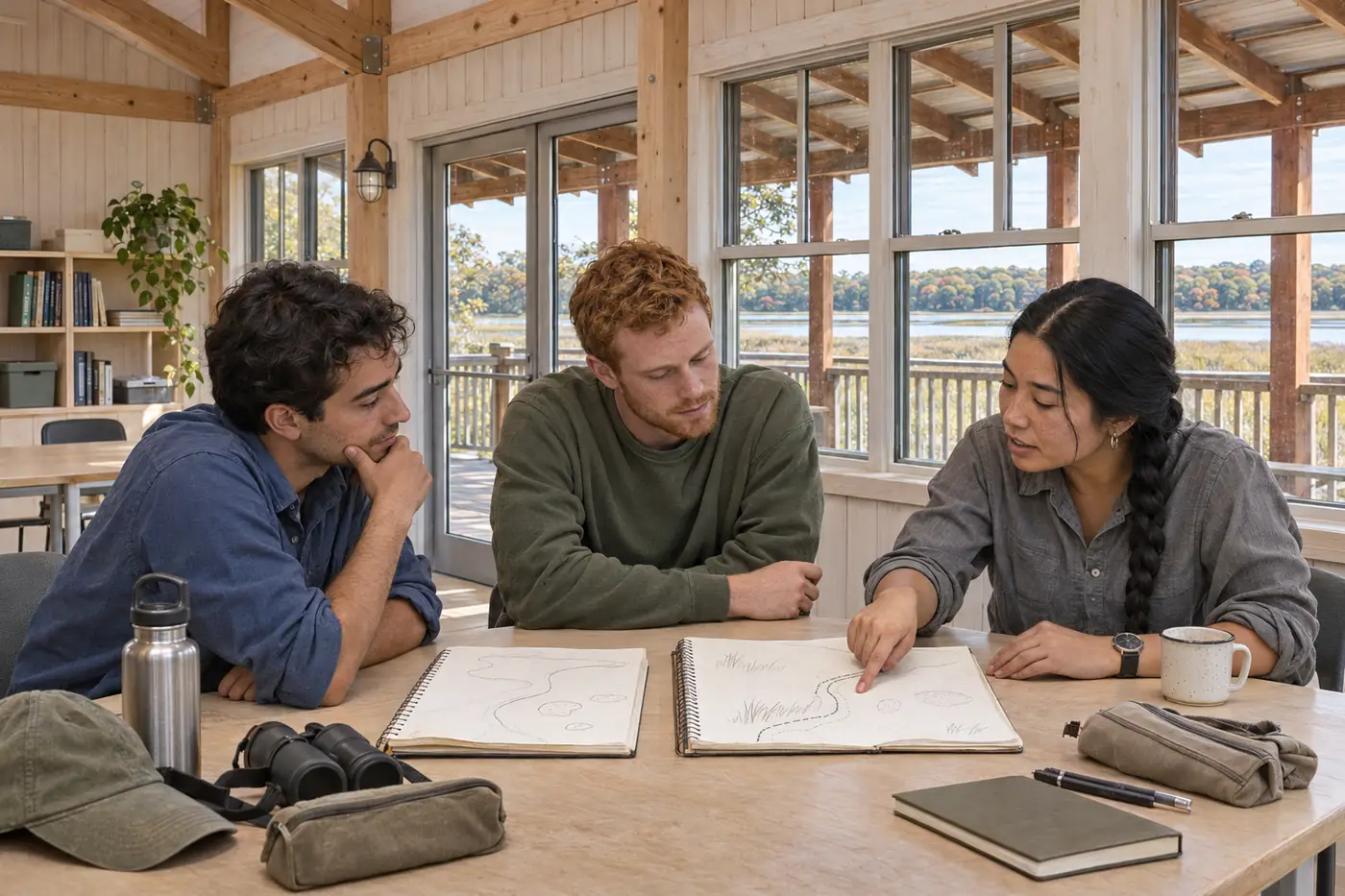
First-year students have returned to a short observation twice during the opening weeks of the shared foundation sequence. The task begins with an ordinary question: what changes in a written account when the observer looks again? Students use a shore-based viewpoint, an indoor observation or supplied teaching images, according to the agreed course arrangement. The aim is a readable record, not an impressive finding.
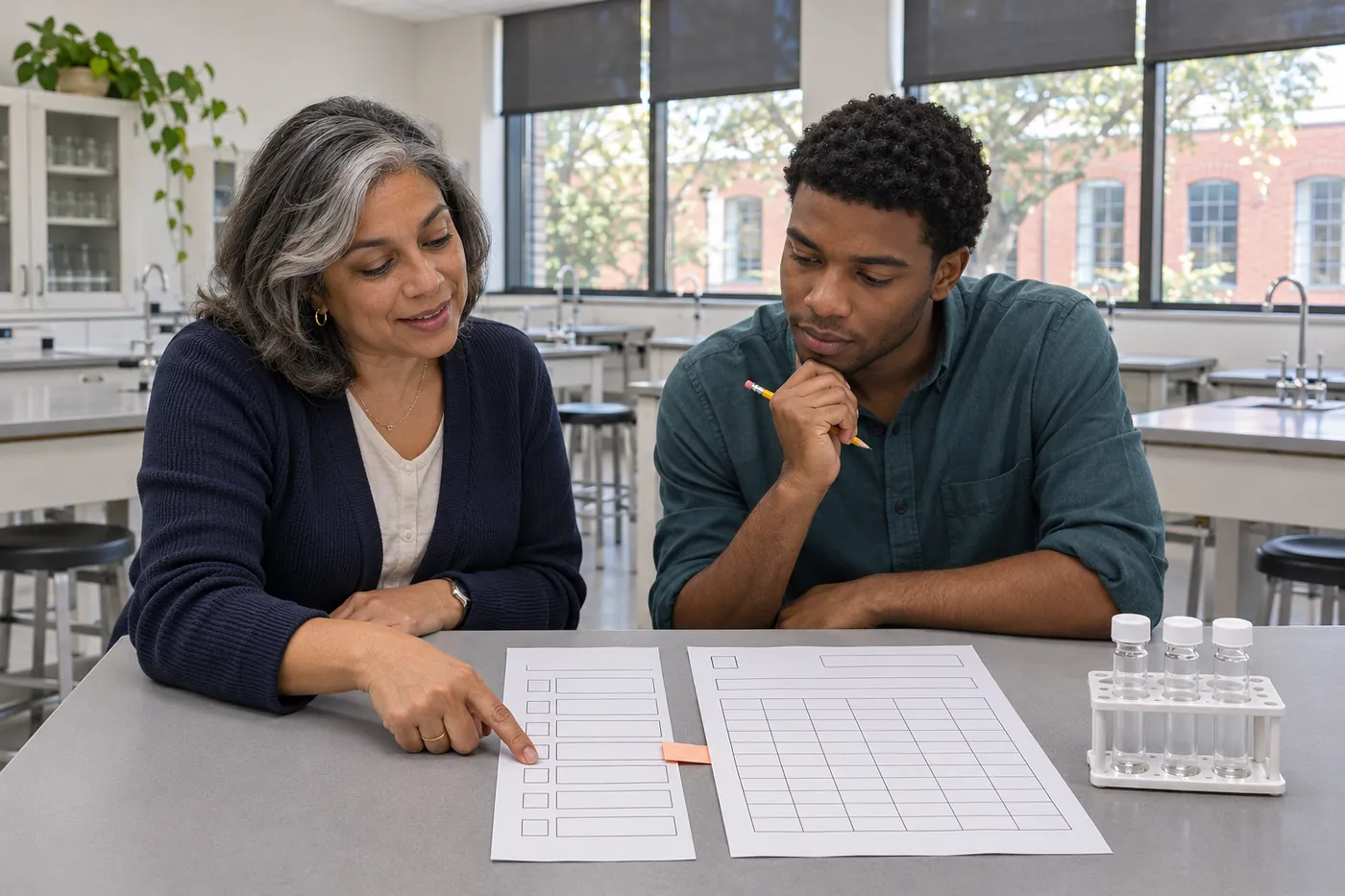
A teaching exercise in Estuary Learning Lab has moved the source identifier beside the reported value instead of leaving it on a separate sheet. The revision came from a classroom review of how students read a short analytical record. A number was easy to find, but the connection between that number, its sample description and the associated quality note was much less obvious.
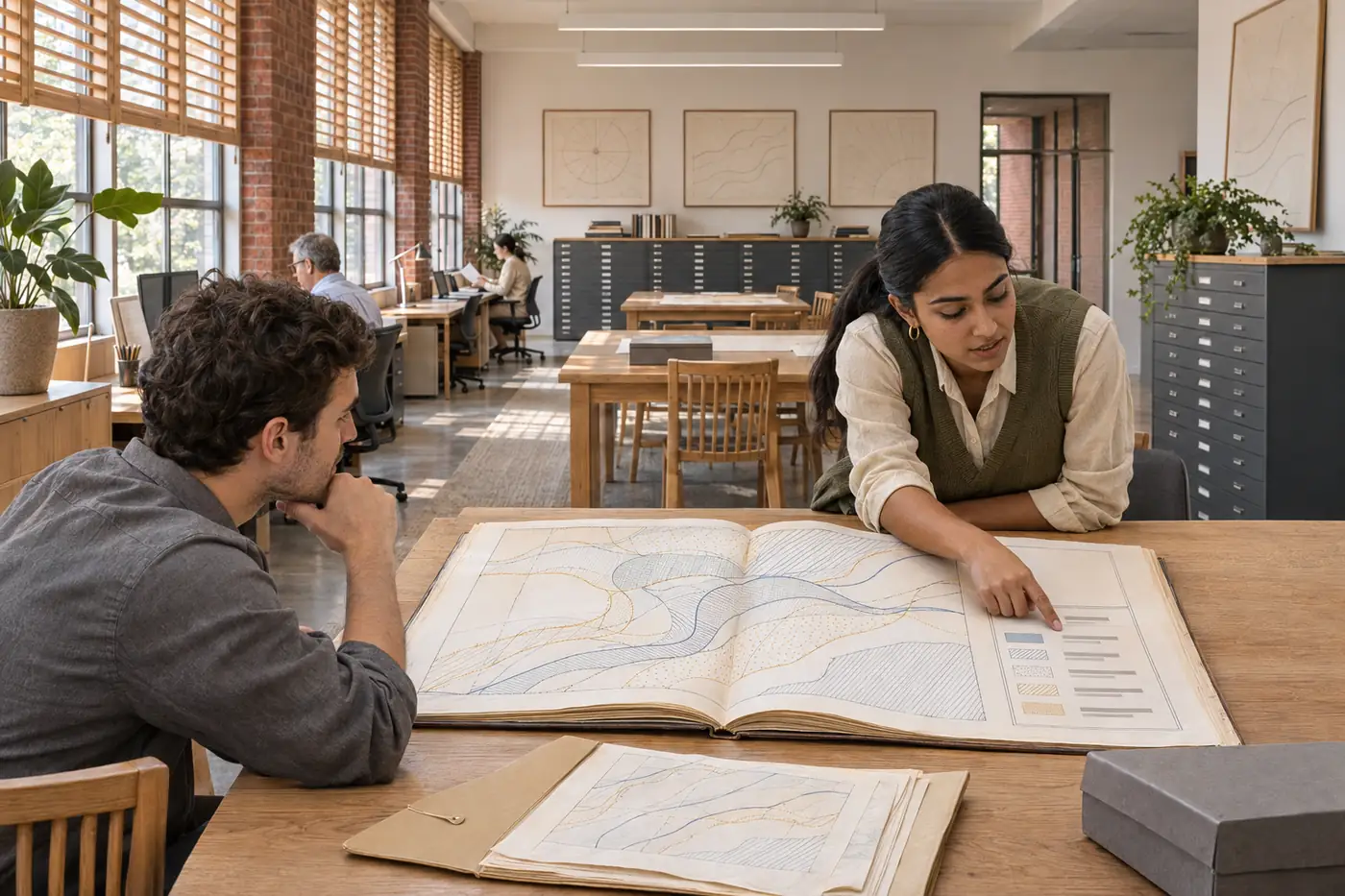
Students in Chart Room have been comparing maps that appear to describe the same fictional reach but draw on sources from different dates. The exercise begins with the layer register rather than the finished image. Before choosing a symbol or a colour, each group identifies the source date, coverage and purpose of the information it wants to place on the page.
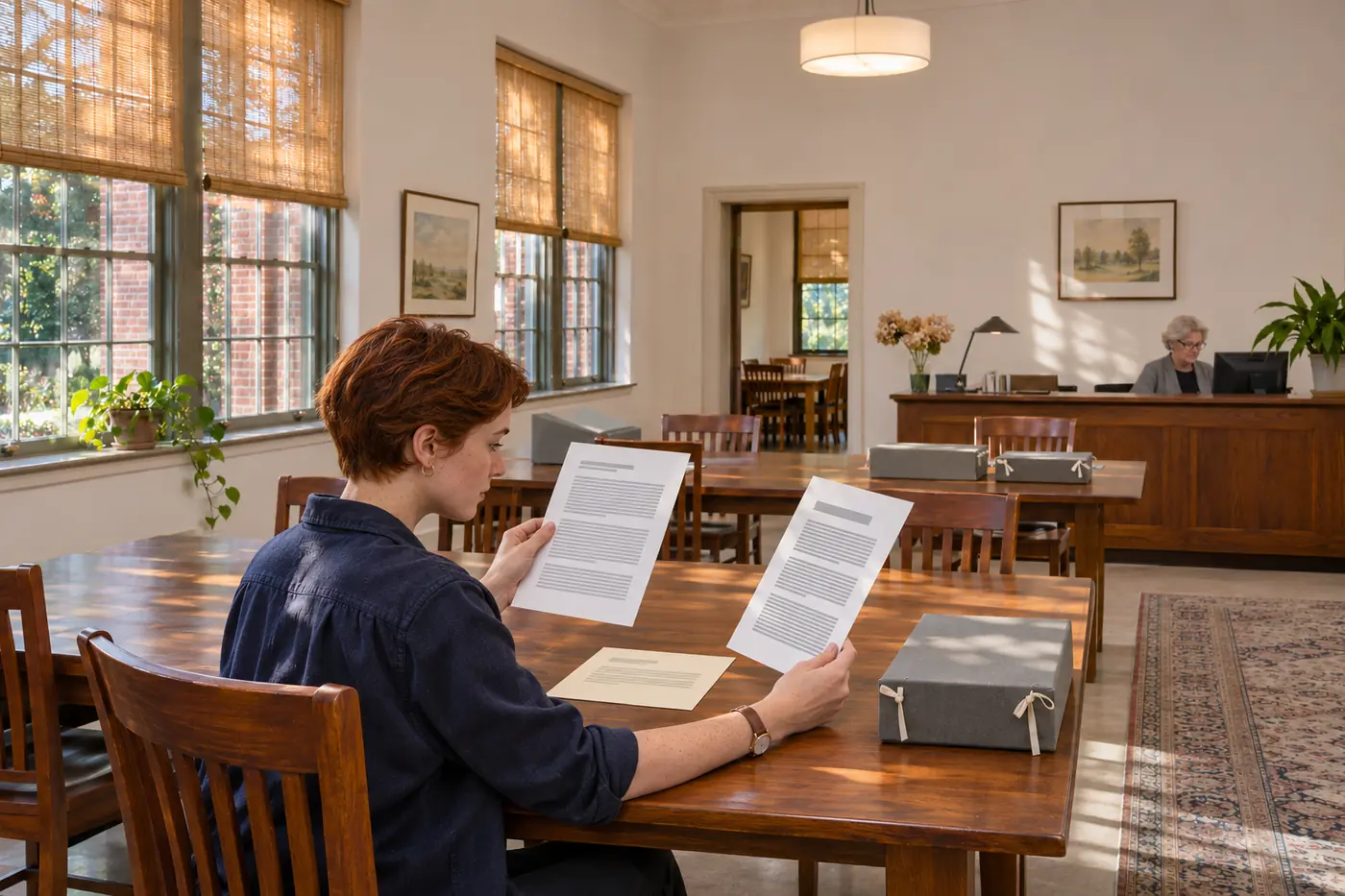
A public-history workshop at Harbor Archive has been editing labels from two original simulated documents about a fictional reading room. The documents disagree in emphasis and come from different moments within the scenario. Instead of asking students to combine them into one seamless story, the exercise asks what each source can support and which question remains unresolved between them.
Commons at the Reach now sets aside a quiet morning table for commuter students who arrive before their first class. The arrangement uses an existing part of the common room rather than creating a separate membership or booking service. Students can read, charge a device and organize the day while keeping the ordinary dining and circulation areas available to others.
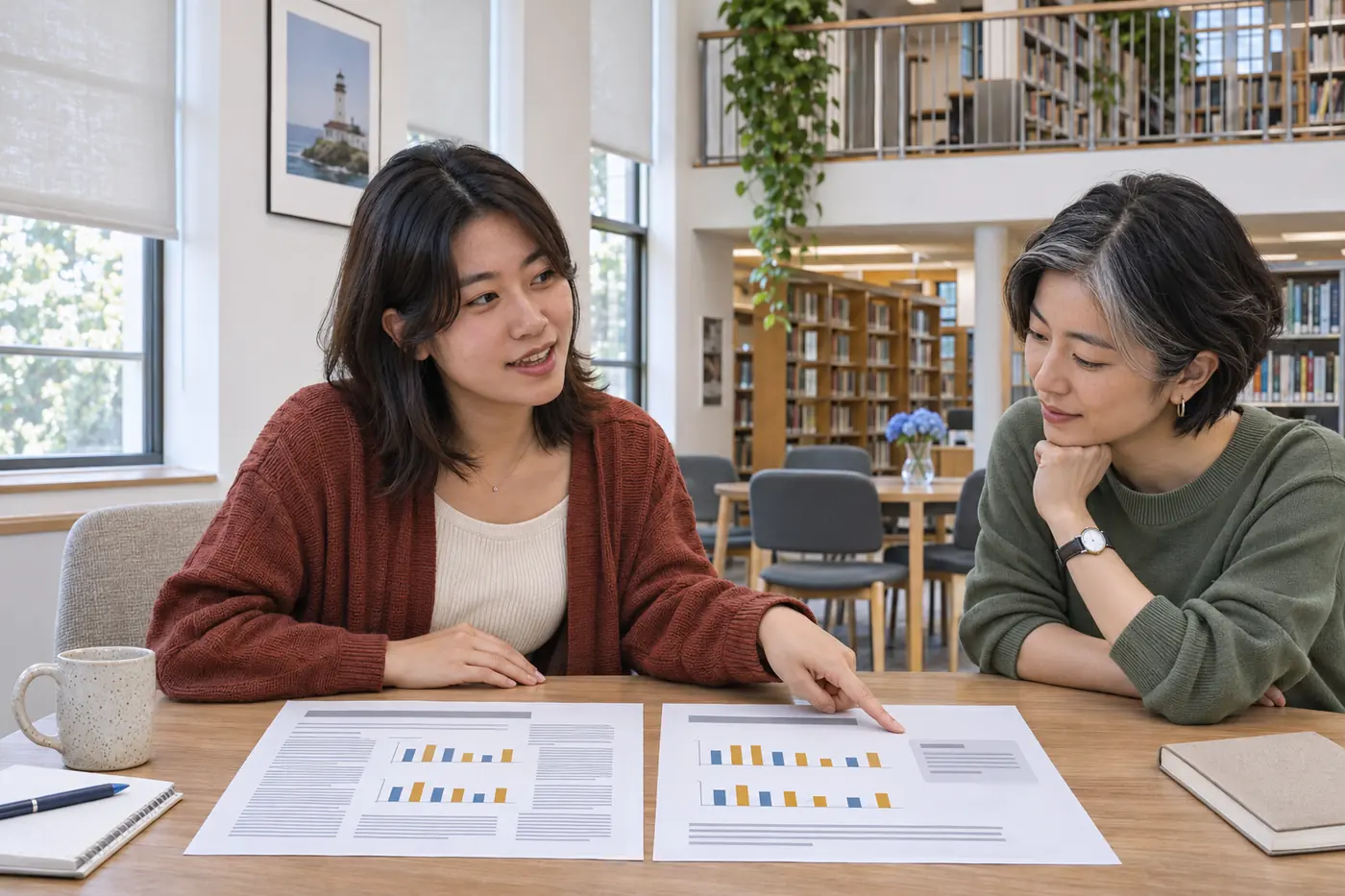
An environmental communication review has placed two versions of the same classroom chart side by side. One is intended for a student checking the underlying record; the other introduces the question to a first-time reader. The assignment asks which changes improve the route through the explanation and which changes accidentally alter what the evidence appears to support.
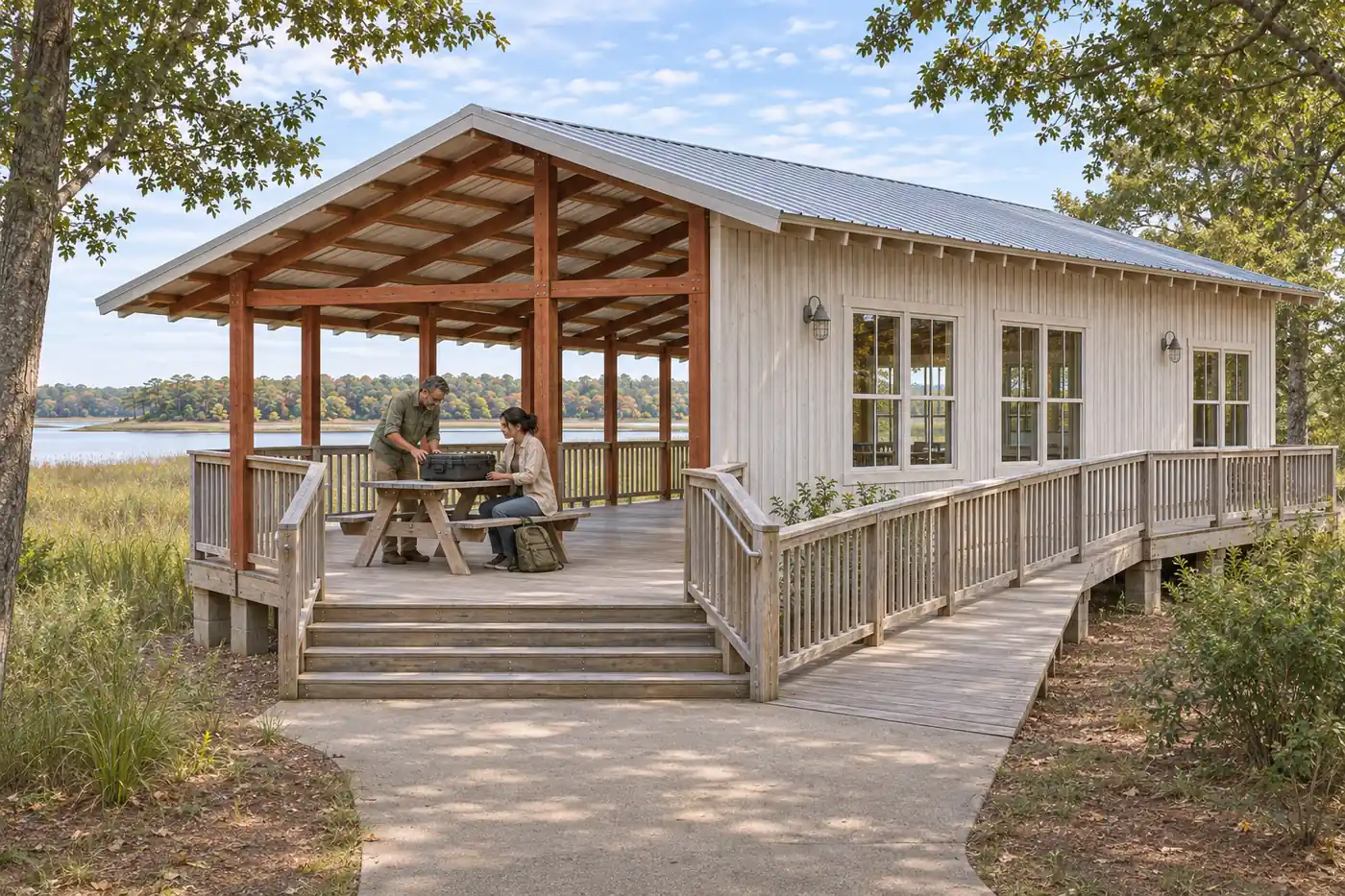
Reedwater Field Station has introduced a short teaching handover review at the end of scheduled course sessions. Students return shared items to the responsible staff member with the item identifier, agreed due time and a note about its condition. The change responds to a familiar classroom problem: an object can be back in its place while its record still leaves the next group uncertain.
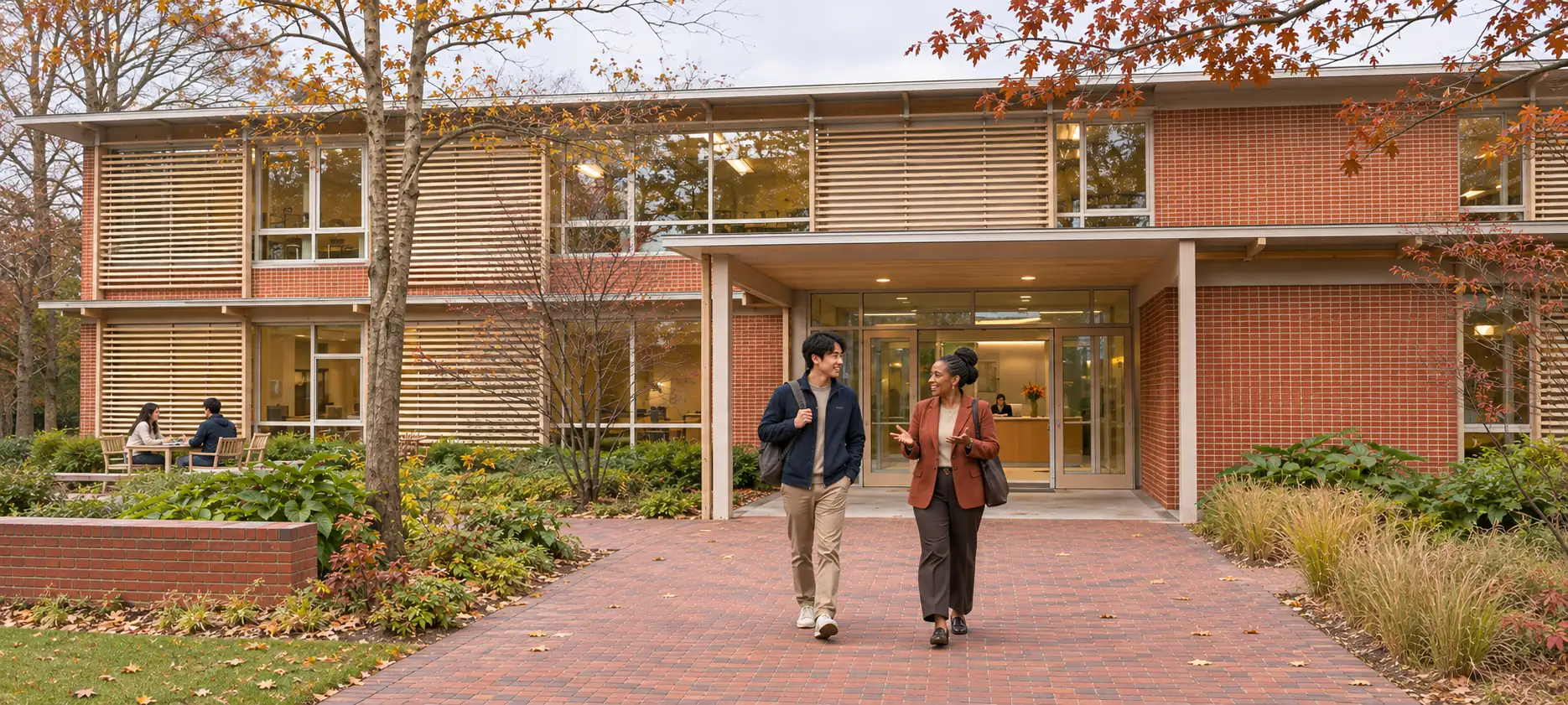
Ternhaven’s Fall 2027 academic preparation conversations will begin on November 16. Applicants can start with a question they have encountered in a class, a piece of reading or an ordinary observation and explain why they would like to study it further. The conversation is intended to clarify program preparation and the application process, not require an already completed research project.